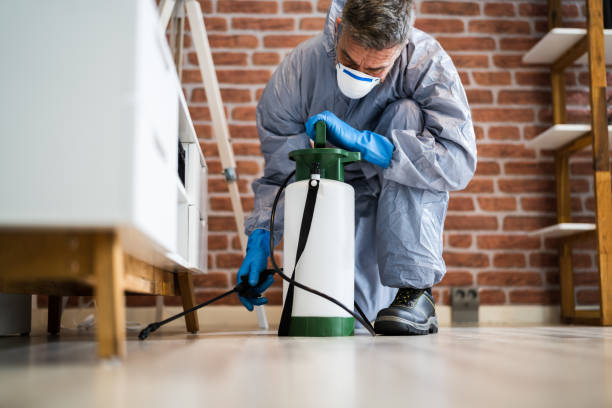
Before a pest control inspection, document the signs of pest activity, clear safe access to affected areas, store exposed food, secure pets when necessary, and make a note of any questions you want to ask the technician. You do not need to deep-clean your entire home or move every piece of furniture. The right preparation depends on the pest, the type of inspection, and whether treatment will take place during the same appointment.
For homeowners and businesses in Lexington, Kentucky, a little preparation can help the technician investigate the problem more efficiently. It can also help you avoid disturbing evidence that may be important for identifying the pest.
Here is how to prepare your property before a professional pest control inspection.
1. Confirm What the Pest Inspection Includes
Before you start cleaning or moving belongings, contact the pest control company and confirm what the appointment involves.
An inspection-only visit may focus on identifying the pest, locating signs of activity, checking possible entry points, and assessing the extent of the problem. An appointment that also includes treatment may require additional preparation, depending on the products and methods being used.
Ask the company:
- Which areas of the property will be inspected?
- Should I move any furniture or stored items beforehand?
- Do I need to empty cabinets or remove food from particular areas?
- Should I arrange for children or pets to stay elsewhere?
- Will treatment take place during the initial appointment?
- Are there any areas I should leave undisturbed?
These questions help you prepare appropriately without doing unnecessary work.
If you have booked a termite inspection, bed bug inspection, or another specialized service, request the relevant preparation instructions. The requirements may differ considerably from those for a general household pest inspection.
2. Document Signs of Pest Activity
One of the most useful things you can do before an inspection is record what you have seen. Your observations may help the technician narrow down the likely pest and identify where to investigate.
What should you record before the inspection?
Make a note of:
- Where you noticed pests: For example, beneath the kitchen sink, in a basement, near a window, or in a storage room.
- When the activity occurs: Record whether you notice pests during the day, at night, after rain, or at particular times.
- How often you see them: Occasional sightings and repeated activity may call for different investigations.
- Visible evidence: Note damaged packaging, droppings, shed insect skins, mud tubes, gnaw marks, or other suspicious signs.
- Previous control attempts: Tell the technician about traps, baits, sprays, or other products you have already used.
Photographs can also help. If you can safely take a clear picture of an insect or damaged area, keep it available for the technician.
Do not put yourself at risk trying to capture a pest, enter a hazardous space, or approach a suspected nest. A photograph is helpful, but it is not essential if obtaining one would be unsafe.
Should you remove pest evidence before the inspection?
Not necessarily. Avoid immediately throwing away suspected insect specimens, cleaning away every sign of activity, or dismantling areas where pests may be hiding.
For example, if you suspect termites, leave suspected mud tubes or damaged timber undisturbed until the technician has advised you. These signs may help with the assessment.
If you find mouse or rat droppings, do not sweep or vacuum them. The Centers for Disease Control and Prevention (CDC) recommends specific precautions for cleaning rodent waste because disturbing it can release contaminated particles into the air.
Tell the pest control company what you have found and ask how to manage the affected area safely.
3. Clear Access to the Areas That Need Inspection
You do not need to reorganize every room. Concentrate on the areas where you have noticed pest activity and the nearby spaces the technician may need to examine.
Depending on your property and the suspected pest, these may include:
- Kitchen cupboards and the space beneath the sink.
- Pantry shelves and food storage areas.
- Bathrooms and laundry rooms.
- Basements and crawl spaces, where access is safe.
- Attics and roof void access points.
- Garages, utility rooms, and storage areas.
- Areas around doors, windows, plumbing penetrations, and the foundation.
Move lightweight boxes, laundry baskets, or loose items that block access to the affected area. If the technician needs to examine a wall, cabinet, or appliance, ask whether it should be moved before the appointment.
Do not lift heavy appliances, dismantle fixtures, or enter confined spaces just to prepare for the inspection.
Should you move furniture before pest control arrives?
Only when it is necessary and appropriate for the inspection.
Moving a lightweight chair away from a wall may make an area easier to inspect. However, moving mattresses, dismantling beds, or shifting large furniture may be unnecessary during an initial visit.
Bed bug inspections are a good example. The University of Kentucky’s bed bug guidance explains that preparation varies according to the extent of the infestation and the treatment method. Some pest managers prefer to inspect first and then tell occupants what needs to be moved.
Follow the instructions provided for your particular appointment.
4. Should You Clean Before a Pest Inspection?
Yes, basic housekeeping is useful, but you do not need to make your home look perfect.
Remove ordinary clutter that blocks access, put away exposed food, and clean routine food spills when it is safe to do so. These steps make it easier to examine relevant areas and can help reduce conditions that attract pests.
The University of Kentucky’s How to Pest-Proof Your Home guide explains the importance of limiting pest access to food, shelter, and suitable entry points.
What should you clean before the inspection?
Consider the following tasks:
- Wipe up ordinary food spills and crumbs.
- Put loose food into sealed containers.
- Empty rubbish bins if they contain exposed food waste.
- Remove clutter that prevents access to the affected area.
- Keep floors and work surfaces accessible.
- Address obvious leaks only when they can be fixed safely without disturbing the suspected infestation.
You do not need to scrub every skirting board, empty every cupboard, or wash all bedding unless the pest control company has requested it.
Should you vacuum before pest control arrives?
For a general inspection, ordinary vacuuming may be appropriate if it does not disturb suspected pest evidence or interfere with a specialist inspection.
However, avoid vacuuming areas containing suspected bed bugs, termite evidence, or rodent droppings until you have received appropriate instructions. With rodent waste, the CDC specifically advises against sweeping or vacuuming before the recommended disinfection procedure.
If you are unsure whether cleaning will remove useful evidence or create a safety risk, leave the area alone and ask the technician.
5. Protect Food, Children, and Pets
For an inspection-only appointment, extensive chemical-treatment preparation may not be necessary. If the company plans to apply pesticides during the visit, additional precautions may be required.
How should you prepare your kitchen?
Before a planned treatment, ask whether you need to remove food, utensils, dishes, or small appliances from the affected areas.
As a general precaution:
- Store exposed food in sealed containers or appropriate storage.
- Put away cooking utensils and dishes if the technician requests it.
- Clear the specific countertops or cupboards that need inspection or treatment.
- Tell the technician about food-preparation areas and any special concerns.
Do not assume that every treatment requires the same preparation. The product, application method, and treatment location determine the relevant precautions.
What about pets?
Tell the company if you have dogs, cats, birds, fish, reptiles, or other animals.
Ask whether pets need to be moved from the property or secured in a separate area. If treatment is planned, the technician should explain the applicable instructions for pet food, water bowls, bedding, aquariums, and re-entry.
Do not assume that a product is harmless to pets simply because it is intended for household use.
Do you need to leave your home during the inspection?
An inspection alone does not automatically require you to leave. You may be able to remain at home while the technician examines the property.
Treatment is different. Depending on the pesticide, method, and location, occupants may need to leave temporarily or avoid certain areas.
The EPA’s guidance on selecting a pest control service recommends following the service provider’s instructions and keeping children and pets away from treated areas until the specified safety conditions are met.
Confirm the requirements before the appointment rather than relying on a generic time frame.
6. Prepare Differently for Different Pests
The most effective preparation depends on what the technician needs to investigate. Here are some considerations for common pest concerns in Lexington.
How to prepare for a termite inspection
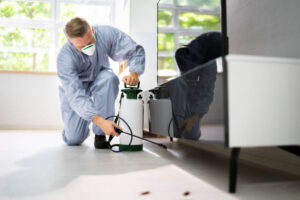
If you suspect termites, tell the company where you have noticed mud tubes, damaged wood, discarded wings, or other potential signs.
Before the inspection:
- Make a note of the affected locations.
- Provide safe access to relevant rooms and accessible storage areas.
- Clear loose items that block access to visible signs of damage.
- Point out any known leaks, damp areas, or previous termite treatments.
- Locate previous inspection reports or treatment records if available.
Do not scrape away suspected mud tubes, remove damaged materials, or attempt to treat the area before the inspection.
Termite investigations can involve areas that are difficult to access. The University of Kentucky explains in its Termite Control: Answers for Homeowners publication why termite assessment and treatment require specialized knowledge.
How to prepare for a rodent inspection
For mice or rats, record where you have heard scratching or found signs such as damaged food packaging, gnaw marks, or droppings.
Before the technician arrives:
- Note the locations and approximate timing of activity.
- Clear safe access to the affected cupboards, storage areas, or utility spaces.
- Tell the technician about any traps or bait stations already in place.
- Identify possible gaps around pipes, doors, vents, and utility openings.
- Avoid disturbing droppings, urine, or nesting material.
Do not sweep or vacuum rodent waste. Follow the CDC’s rodent cleanup guidance for safe handling, and seek professional advice if the contamination is extensive.
You can also review the company’s rodent control service in Lexington if rodents are the main concern.
How to prepare for a bed bug inspection
Bed bug preparation can differ significantly from general pest control preparation.
Before the appointment:
- Record which rooms or pieces of furniture may be affected.
- Photograph visible insects or signs if you can do so safely.
- Avoid moving potentially infested belongings into other rooms.
- Ask the company whether bedding, clothing, or furniture should be moved.
- Follow its instructions for laundry, bagging items, and access to beds or upholstered furniture.
Do not automatically discard mattresses or furniture. The technician may need to inspect the items, and moving them without a plan could spread the problem.
The University of Kentucky notes that bed bug preparation depends on infestation severity and the treatment approach. Read its bed bug guidance and follow the specific instructions provided by your pest control company.
For more information about available services, visit the company’s bed bug control page.
How to prepare for a cockroach inspection
Cockroaches may hide in cracks, cupboards, and other secluded spaces, so access to the affected areas is important.
Before the inspection:
- Note where and when you have seen cockroaches.
- Store exposed food and remove ordinary food debris.
- Clear access beneath the sink and around affected cupboards.
- Tell the technician about any baits, traps, or sprays you have used.
- Avoid applying additional products immediately before the visit unless instructed.
The University of Kentucky’s cockroach elimination guidance discusses the importance of thorough inspection and targeting areas where cockroaches live.
If cockroaches are the issue, you can also review the company’s roach control service.
7. What Should Renters and Business Owners Do?
Preparation is not limited to homeowners. Renters, landlords, property managers, and business owners may need to coordinate access and share information before the inspection.
For renters and property managers
If you rent your home, notify the landlord or property manager according to your lease and applicable requirements. Confirm who arranged the inspection and who will provide access.
It is useful to:
- Record where pests have been seen.
- Tell the property manager about recurring activity or previous treatments.
- Identify affected rooms and shared areas.
- Ask who is responsible for preparation and follow-up.
- Avoid moving potentially infested belongings into other units or rooms.
In apartment buildings, pest activity may involve shared walls or adjacent units. The inspector may recommend additional checks depending on the findings.
For businesses
Commercial premises may need preparation that reflects the type of business and the areas being inspected.
Before the appointment:
- Tell the company about the pest sightings and affected work areas.
- Provide access to relevant storage, waste, utility, and food-handling areas.
- Keep maintenance or previous pest treatment records available.
- Coordinate with staff so the technician can inspect safely.
- Ask whether the inspection requires any changes to normal operations.
Restaurants and other food businesses should discuss food-storage, sanitation, and food-preparation requirements with the provider before any treatment is planned.
8. What Should You Avoid Doing Before the Inspection?
Some preparation steps can make an inspection less useful or create unnecessary risks.
Avoid these common mistakes:
Applying extra pesticides immediately before the appointment. Sprays, baits, and other products may affect pest activity or interfere with the planned approach. Tell the technician what you have already used.
Disturbing suspected nests or damage. Avoid dismantling areas or removing evidence before the technician has had an opportunity to assess it.
Moving potentially infested belongings between rooms. This is particularly important when bed bugs are suspected.
Cleaning rodent droppings with a broom or vacuum. Follow the CDC’s recommended cleanup precautions instead.
Moving heavy appliances or entering hazardous spaces without help. The technician can advise whether access is necessary and how it should be arranged safely.
Assuming the same preparation applies to every treatment. Termite, bed bug, rodent, and general insect inspections can require different steps.
If you have already cleaned or treated an affected area, do not worry. Explain what you did, which products you used, and when you used them.
9. Pest Control Inspection Preparation Checklist
Use this checklist before your appointment. Complete the items that apply to your situation, and follow any additional instructions from your pest control provider.
- Confirm whether the visit is inspection-only or includes treatment.
- Ask which rooms and areas will be inspected.
- Record where and when you noticed pest activity.
- Take photographs of visible signs when safe.
- Make affected areas accessible.
- Store exposed food and clear ordinary clutter.
- Keep suspected pest evidence undisturbed where appropriate.
- Tell the company about previous sprays, traps, baits, or treatments.
- Explain any concerns involving children, pets, or food-preparation areas.
- Arrange access to relevant storage or utility spaces where safe.
- Gather previous inspection or treatment records if available.
- Write down questions about the findings, treatment options, costs, and follow-up.
You do not need to complete every item for every inspection. The goal is to make the property accessible and provide useful information without undertaking unnecessary or unsafe preparation.
Frequently Asked Questions
How clean should my house be before a pest inspection?
Your home does not need to be spotless. Remove ordinary clutter from affected areas, store exposed food, and clean routine food spills when safe. Avoid disturbing suspected pest evidence or cleaning areas that require special precautions before the technician has assessed them.
Should I vacuum before pest control arrives?
It depends on the pest and the type of appointment. Routine vacuuming may be appropriate in unaffected areas, but do not vacuum suspected rodent droppings or nesting material. For bed bugs or other specialist problems, ask the company whether vacuuming is recommended before the inspection.
Do I need to move furniture before a pest inspection?
Not always. Clear safe access to affected areas and move lightweight items when needed. Ask before moving beds, heavy furniture, or potentially infested belongings, particularly when bed bugs are suspected.
Should I empty my kitchen cabinets before an inspection?
Usually, not unless the company asks you to. For an inspection-only appointment, clearing access to the affected cupboard may be enough. If treatment is planned, the technician may request that certain cupboards be emptied and food or utensils be removed.
Should I leave my house during a pest inspection?
An inspection alone does not automatically require you to leave. If treatment will also occur, ask the provider whether occupants and pets need to leave and when it is safe to return. Follow the instructions for the specific product and treatment method.
What should I do before a termite inspection?
Record the locations of suspected termite signs, provide safe access to relevant areas, and locate any previous termite reports or treatment records. Do not remove suspected mud tubes or damaged materials before the inspection.
What happens after a pest control inspection?
The technician should explain the findings, identify any uncertainties, and discuss suitable next steps. Depending on the problem, recommendations may include monitoring, correcting entry points or moisture issues, targeted treatment, or a follow-up inspection. Ask for the proposed work, costs, and relevant precautions in writing.
Prepare for Your Pest Control Inspection in Lexington, KY
A successful inspection starts with useful information and access to the areas where pests may be active. You do not need to deep-clean your entire property or carry out extensive preparation without guidance. Document what you have noticed, keep affected areas accessible, and ask the provider what is required for your particular pest problem.
If you are dealing with suspected termites, rodents, bed bugs, or cockroaches, Pest Control Lexington lists services for these pest concerns on its website.
Visit Pest Control Lexington to explore the available services or contact the company to discuss your inspection needs.
Before your appointment, confirm the inspection scope, preparation requirements, and whether treatment will take place during the same visit.