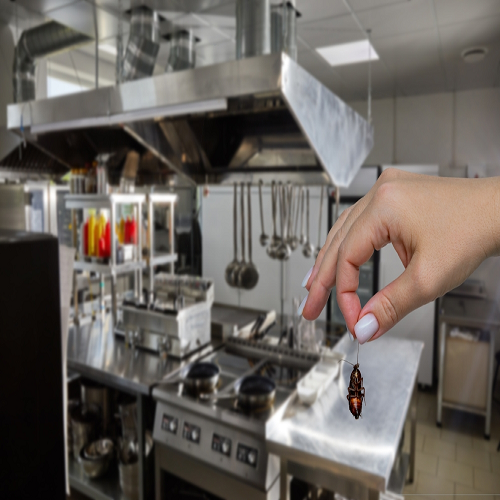
Running a restaurant requires strict adherence to food safety regulations. Effective pest control in restaurants is essential to prevent any health code violations.
Restaurants need targeted pest control strategies that go beyond general pest management. It focuses more on prevention and monitoring, and immediate intervention when necessary.
This restaurant pest control guide outlines compliance strategies, sanitation tips, inspection routines, and when to engage a licensed bed bug exterminator or professional service.
Why Restaurant Pest Control Matters
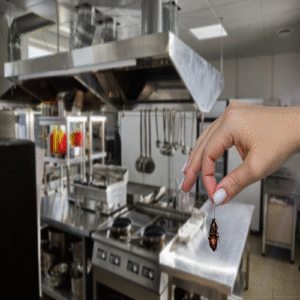
Pests in restaurants aren’t just unsightly; they pose a serious health risk and can result in health code violations. Even a minor infestation of rodents, cockroaches, or ants can contaminate food and surfaces, trigger inspections, and damage your establishment’s reputation.
Understanding Pest Risks in Restaurants
Restaurants are particularly vulnerable to pests because of readily available food, water, and hiding spots. Common offenders include:
- Rodents – spread disease and contaminate food
- Cockroaches – thrive in warm, humid areas
- Ants – invade stored goods and prep areas
- Flies – transport bacteria from waste to food
Food businesses must take practical measures to prevent pests, in line with food safety codes. Implementing preventive strategies is not only safer but also more cost-effective than dealing with full-scale infestations.
How Pests Threaten Food Safety and Reputation
- Contamination risks: Pests carry bacteria and other pathogens that can cause foodborne illnesses
- Business impact: Complaints, negative online reviews, and possible closures from inspections can severely affect your restaurant
Health Code Compliance & Pest Control Requirements
Restaurants must follow strict health codes to remain compliant. Key requirements include:
- Sealing entry points and food storage areas
- Maintaining clean prep and dining spaces
- Keeping a documented pest management plan
Maintaining detailed records and compliance logs is essential for passing inspections and demonstrating due diligence to authorities.
What Inspectors Look For
- Properly sealed food storage
- Clean and sanitized prep zones
- Absence of pest activity
- Up-to-date treatment records and inspection logs
Documentation & Audit Proofing
- Record all treatment visits, bait station locations, pest sightings, and corrective actions
- Helps ensure inspection success and avoid fines
- Demonstrates adherence to your ultimate guide to pest prevention practices
Core Pest Control Practices for Restaurants
Competitor blogs consistently emphasize prevention, regular inspections, and sanitation as the foundation for effective pest control.
Regular Inspections & Monitoring
- Conduct daily walkthroughs of prep, storage, and dining areas
- Schedule weekly professional inspections
- Maintain an internal restaurant pest control checklist to track activity and interventions
Sanitation & Cleaning Best Practices
- Daily deep cleaning of prep areas, floors, and dining spaces
- Focus on the under and behind the equipment
- Promptly clean spills to remove attractants
Waste & Food Storage Management
- Store food in sealed containers, off the floor
- Use tight-fitting trash bins and remove waste daily
Structural Exclusion Practices
- Seal gaps, install mesh screens, self-closing doors, weather-strips, and air curtains
- Reduce entrances for pests and prevent infestations
When to Use Professional Pest Control
Engaging professionals is critical for hard-to-manage pests and ensuring audit readiness. A qualified service can provide targeted treatments, ongoing monitoring, and documentation support.
Signs You Need Expert Help
- Persistent infestations despite preventive measures
- Visible pests during prep or dining hours
- Complex issues such as rodent nests or widespread cockroach activity
- Considering hiring a licensed bed bug exterminator for sensitive cases
What to Expect From a Pest Control Service
- Scheduled visits tailored to your restaurant
- Monitoring devices and baiting systems
- Detailed records for inspections
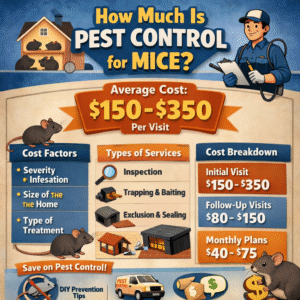
- Transparent termite treatment cost in Lexington KY and other service pricing for compliance
Seasonal & Proactive Pest Management
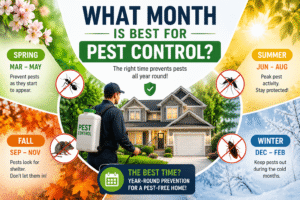
- Pest pressure changes seasonally: rodents in colder months, flies in warmer months
- Implement a calendar of preventive treatments to stay ahead of infestations
- Combine seasonal strategies with ongoing sanitation and monitoring for optimal results
Conclusion
Pest control in restaurants is essential to protect health and reputation and maintain compliance. Ensure strict sanitation, regular inspections, and schedule a professional service.
To consult licensed professionals for targeted restaurant pest control service, contact Pest Control Lexington today.