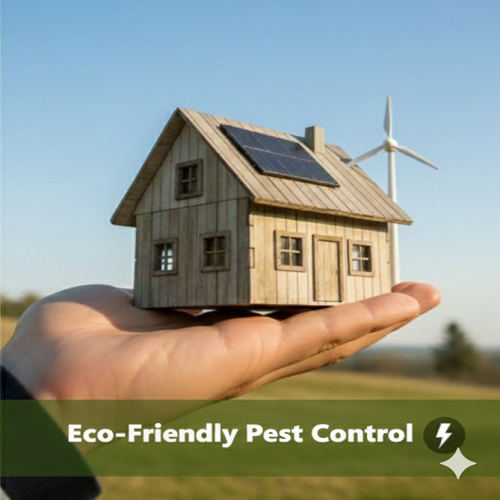
Eco-friendly pest control is quickly becoming the preferred choice for modern homeowners and renters. Traditional pest control methods often rely on harsh chemicals that can affect indoor air quality, children and pets, and the surrounding environment. In contrast, eco-friendly pest control focuses on targeted, low-toxicity solutions that effectively eliminate pests without putting your household at risk.
Choosing green pest control is not just for safety; it offers long-term value. Sustainable treatments aim to address the root causes of infestations, reducing the likelihood of repeat problems and ongoing costs. This approach to effective pest control for apartments is especially important, as pests can spread easily between units, making it a top priority.
This comprehensive guide explains what eco-friendly pest control really means, the most effective green treatment methods, safe DIY tips, and when it’s best to call professionals like Pest Control Exington for reliable, long-term protection.
What Is Eco-Friendly (Green) Pest Control?
Eco-friendly pest control uses environmentally responsible methods to prevent, manage, and eliminate pests while minimising harm to people, pets, and ecosystems. Unlike conventional pest control, which often relies on blanket chemical spraying, green pest control focuses on precision, prevention, and monitoring.
One of the most important frameworks used in eco-friendly pest control is Integrated Pest Management (IPM). IPM combines multiple strategies, such as inspection, exclusion, and targeted treatment, rather than relying solely on chemicals. This ensures pests are controlled efficiently with minimal chemical exposure.
Benefits of Eco-Friendly Pest Control
- Lower environmental impact
- Safer for children and pets
- Reduced chemical residue indoors
- Long-lasting results through prevention
- Ideal for sensitive areas like apartments and schools
Green methods are also commonly used by a professional bed bug exterminator, as bed bug treatments require precision and safety to avoid unnecessary exposure in sleeping areas.
Key Principles of IPM (Integrated Pest Management)
- Inspection & monitoring to identify pest activity early
- Exclusion & habitat modification to remove entry points and attractants
- Threshold-based treatment instead of automatic spraying
- Recordkeeping & follow-up to prevent reinfestation
Proven Eco-Friendly Pest Control Methods
Prevention & Exclusion (Quick Checklist)
Preventing pests is always more effective and safer than treating infestations.
Common eco-friendly home fixes include:
- Sealing cracks and gaps around doors and windows
- Installing door sweeps and window screens
- Fixing leaks and reducing moisture buildup
- Proper food storage and waste management
- Trimming vegetation away from the home exterior
These steps are especially important for effective pest control for apartments, where pests can travel between walls and shared spaces.
Biological Controls
Biological pest control uses natural predators or microorganisms to manage pest populations.
Examples include:
- Beneficial insects like ladybugs for aphids
- Nematodes for soil-dwelling pests
- Microbial insecticides that target specific insects
These methods are highly effective in gardens and outdoor spaces and reduce reliance on chemical products.
Low-Toxicity & Botanical Products
Eco-friendly pest control often includes plant-based and low-toxicity products, such as:
- Neem oil for insects and mites
- Insecticidal soaps for soft-bodied pests
- Diatomaceous earth for crawling insects like ants and roaches
These solutions are widely used in the best pest control for roaches programs because they work without contaminating living spaces.
Traps, Baiting & Targeted Treatments
Instead of spraying entire areas, green pest control uses:
- Bait stations
- Gel applications
- Localised treatments at infestation points
This approach is also common in termite control pricing Lexington, where targeted treatments protect structures while reducing chemical use.
Digital & Monitoring Solutions
Modern eco-friendly pest control includes smart monitoring tools, such as:
- Digital rodent monitoring systems
- Smart bait stations with activity tracking
- Early-detection sensors
These tools help professionals respond faster while using less product overall.
Safe DIY Pest Control Tips
DIY methods can be helpful for minor pest issues, but they should be used responsibly.
Safe DIY options include:
- Essential oil sprays (peppermint or eucalyptus)
- Coffee grounds or citrus peels to deter ants
- Cinnamon or cloves for garden pest deterrence
DIY solutions work best as preventive measures. For established infestations, repeated DIY attempts can become a false economy, costing more time and money than professional treatment.
When to Hire a Professional
Some pest problems require expert attention to prevent serious damage.
Call a professional if you notice:
- Structural damage (especially termites)
- Widespread infestations
- Persistent rodents or bed bugs
- Recurring issues despite DIY efforts
When choosing a provider, ask about:
- Their IPM approach
- Product safety labels
- Warranty coverage
- Monitoring and follow-up plans
At Pest Control Lexington, we are proud to provide professional pest control services in Lexington, KY, including expert solutions for bed bug control, termite treatment, rodent control, and more. We also serve surrounding areas to ensure your home or business stays pest-free. Schedule your consultation today by calling 859-554-1293 or visiting our website.
Frequently Asked Questions (FAQ)
Are eco-friendly pest control methods safe for pets?
Yes, when applied correctly, most green solutions are pet-safe.
How long does eco-friendly pest control take to work?
Results vary, but most see improvement within days to weeks.
Is eco-friendly pest control more expensive?
Initial costs may be slightly higher, but long-term savings are often greater.
Can eco methods handle termites and bed bugs?
Yes, targeted eco treatments are highly effective.
Is eco-friendly pest control suitable for apartments?
Absolutely. It’s often the best option for shared living spaces.
Do green treatments prevent future infestations?
Yes, especially when combined with IPM strategies.